
Pennsylvania coroner confirms measles caused death of 6-week-old infant

Lancaster County Coroner Stephen Diamantoni confirmed Friday that measles caused the death of a 6-week-old infant who also had a rare genetic condition. Pennsylvania reported 577 measles cases and 98 hospitalizations in the outbreak. The Hill covered the coroner's findings and federal questions about earlier case details.
LANCASTER, Pa. - Lancaster County Coroner Stephen Diamantoni confirmed Friday that measles caused the death of a 6-week-old infant, The Hill reported.
The child died last month and had been born with Amish lethal microcephaly, a rare genetic condition that can leave infants vulnerable to respiratory infections. Diamantoni told Lancaster Online that after reviewing medical records he concluded measles was the cause of death. Children with that disorder often die within months of birth from viral respiratory illness. Measles is a respiratory infection, and the infant tested positive for measles, he said.
Pennsylvania health officials said last week that two unvaccinated people, including an infant, had died in measles-related cases. Those were described as the state's first measles-related deaths in 35 years and the first in the United States this year. As of Friday the outbreak had reached 577 confirmed cases and 98 hospitalizations, according to The Hill. It was not confirmed whether the 6-week-old was one of the two previously announced deaths.
The Centers for Disease Control and Prevention had said available information did not yet establish whether measles caused or only accompanied earlier reported deaths, and that national counts would be updated as facts clarified. Federal health officials, including Health and Human Services Secretary Robert F. Kennedy Jr. and CMS Administrator Dr. Mehmet Oz, had asked for clearer cause-of-death detail from Pennsylvania as the outbreak grew. Oz told Fox Business that officials needed to know whether children died from measles or from other conditions while also infected.
Clinics sometimes do not call the coroner when a medically fragile infant dies of an expected respiratory course. Diamantoni said his office opened a fuller review after the state announcement. For families, the public-health point is unchanged: measles spreads easily, infants under 12 months are usually too young for routine MMR vaccine, and high community vaccination rates protect newborns and medically fragile children.
Adults unsure of their measles immunity, especially grandparents who care for babies, can ask a clinician about titers or a booster. Outbreak counties also publish guidance on isolation and school rules as case counts move.
Go Deeper
What did the coroner conclude?
That measles caused the death of a 6-week-old Lancaster County infant who also had Amish lethal microcephaly.
How large is the Pennsylvania outbreak?
577 confirmed cases and 98 hospitalizations as of the Friday figures reported by The Hill.
Why was cause of death debated earlier?
CDC said early information did not prove whether measles caused prior deaths or occurred alongside other conditions. The coroner's review settled this infant's case.
Can a 6-week-old get the MMR vaccine?
Routine MMR starts later in infancy. Very young babies rely on community immunity and careful exposure limits.
What should grandparents do?
Confirm their own measles immunity with a clinician before visiting newborns, and follow local outbreak guidance.
More health
 health50+
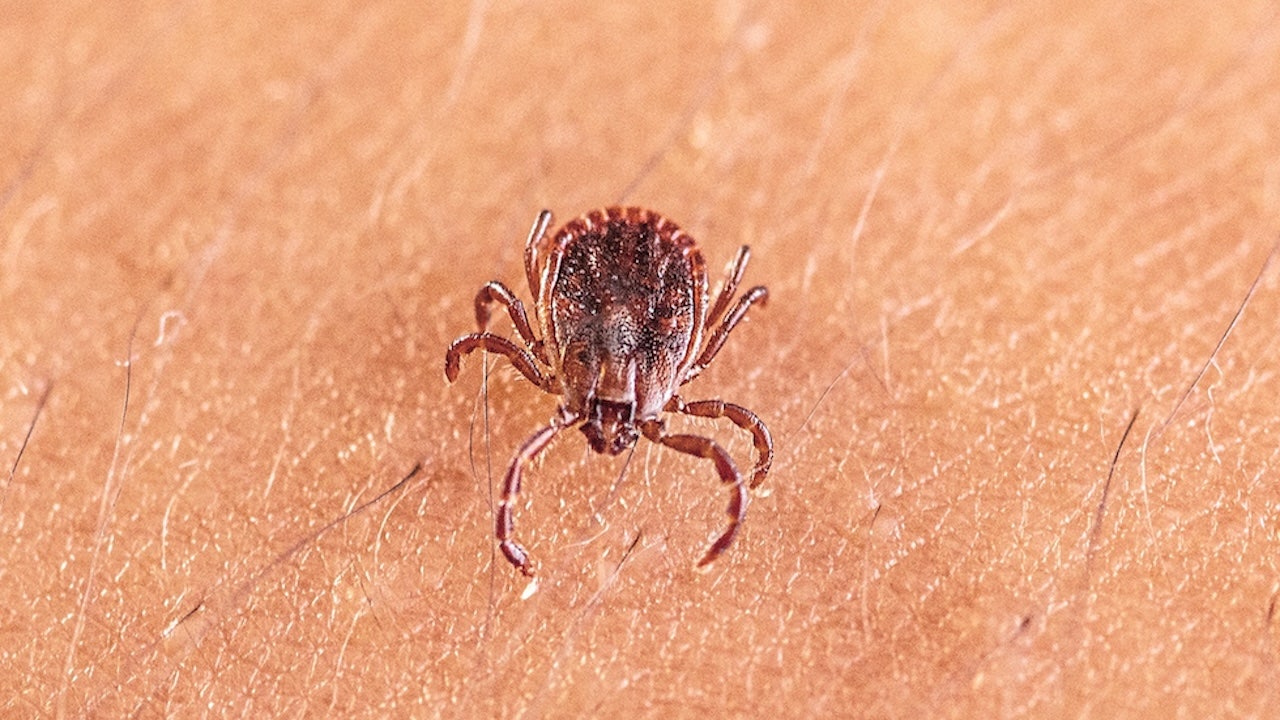
Scientists identify new tick-borne virus after testing thousands of patients in China
Chinese researchers identified Asian longhorned tick nairovirus in 10.4% of 3,163 patients bitten by ticks. The virus can cause flu-like illness, low
Sep 5 health50+
Higher blood xylitol levels linked to greater heart attack and stroke risk in study
A study presented at the ESC Cardiology Congress followed more than 17,700 Canadian and British adults and linked higher blood xylitol levels to more
Sep 5 health50+
WHO adds seven dementia risk factors including stroke, sleep problems and air pollution
The World Health Organization updated its dementia risk-reduction guidelines with seven added factors: stroke, traumatic brain injury, vision impairme
Sep 5