
Chicago reports first West Nile virus death of 2026 as mosquito cases rise
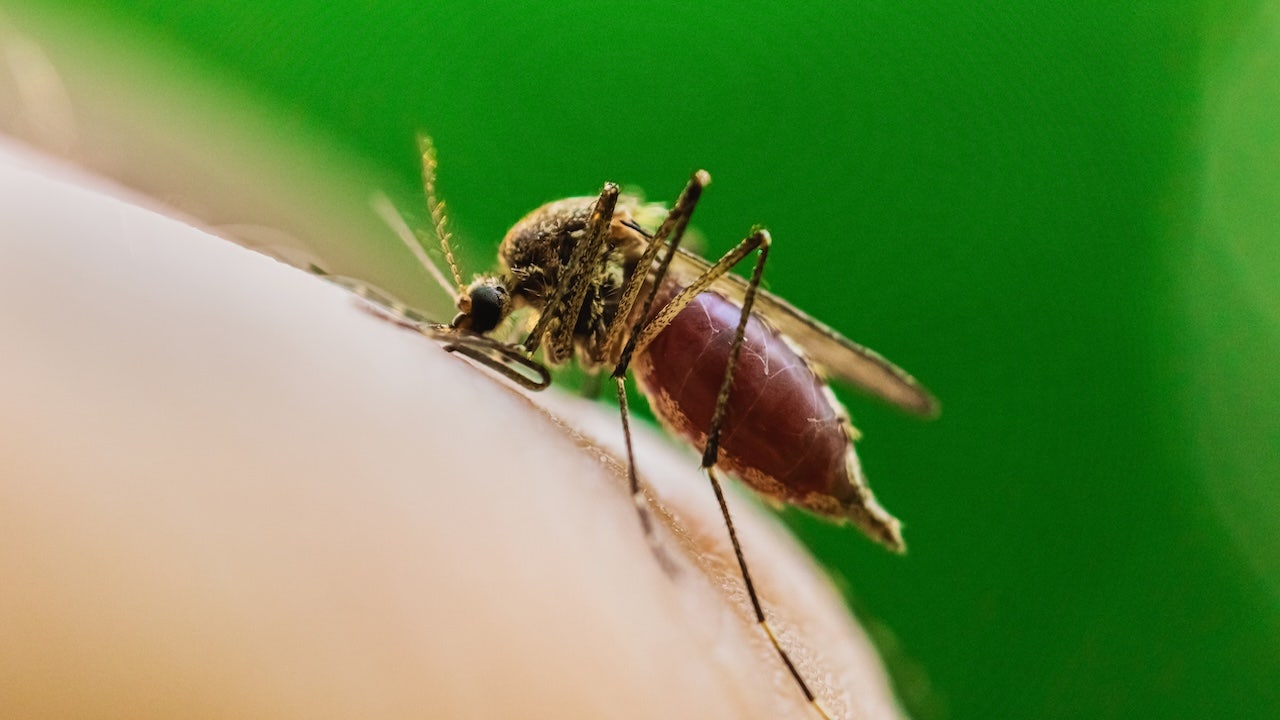
The Chicago Department of Public Health confirmed the city's first West Nile virus death of 2026 and said rainy weather boosted mosquito breeding. CDC preliminary data through Sept. 1 showed 407 U.S. human cases, 285 neuroinvasive cases and 23 deaths. Older adults face higher risk of severe illness.
CHICAGO - The Chicago Department of Public Health confirmed the city's first West Nile virus death of 2026 as mosquito activity rose after rainy weather, Fox News reported.
Commissioner Garth Walker said wet conditions helped breeding and that crews have sprayed in many Chicago neighborhoods. Health officials urged residents to empty buckets, gutters and birdbaths and to use repellent during dusk and dawn, when Culex mosquitoes feed. Dead birds and positive mosquito traps often lead local maps before human cases appear, which is why cities keep trap networks running through September.
National numbers remain elevated for late summer. Centers for Disease Control and Prevention preliminary data through Sept. 1 showed 407 human West Nile cases in the United States, including 285 neuroinvasive infections and 23 deaths. Most people bitten by an infected mosquito never feel sick. When illness does appear, it can range from fever and body aches to meningitis or encephalitis.
Older adults carry higher risk of severe disease. Dr. Tyler Evans of the University of Southern California advised people 65 and older to treat fever with headache, stiff neck or confusion as an emergency room matter. Illinois Department of Public Health Director Dr. Sameer Vohra has echoed statewide mosquito-control messaging as positive mosquito pools and human cases accumulate.
There is no licensed human vaccine for West Nile virus. Prevention rests on clothing that covers skin, screens on windows, and EPA-registered repellents. Products with about 30% DEET are commonly recommended for strong, lasting protection. Long sleeves at dusk, repaired door screens and dumping water after storms cut exposure without waiting for a city spray truck.
Cities spray to cut adult mosquito numbers, but home standing water still drives local risk. Travelers and Chicago residents alike should assume late summer remains active season until frost cuts mosquito populations. People who garden, walk at dusk or sit on porches should treat prevention as routine, not optional, while regional case counts stay high.
Go Deeper
What did Chicago announce?
The city's first West Nile virus death of 2026, with rainy weather boosting mosquito breeding and spraying underway in many areas.
What are the U.S. case counts so far?
CDC preliminary data through Sept. 1 showed 407 human cases, 285 neuroinvasive cases and 23 deaths.
Who is at highest risk?
Adults 65 and older are more likely to develop severe or neuroinvasive illness if infected.
Is there a vaccine?
No human West Nile vaccine is available. Prevention relies on repellent, clothing and removing standing water.
When should someone go to the ER?
Fever with stiff neck, severe headache or confusion - especially at age 65 or older - warrants emergency care.
More health
 health50+
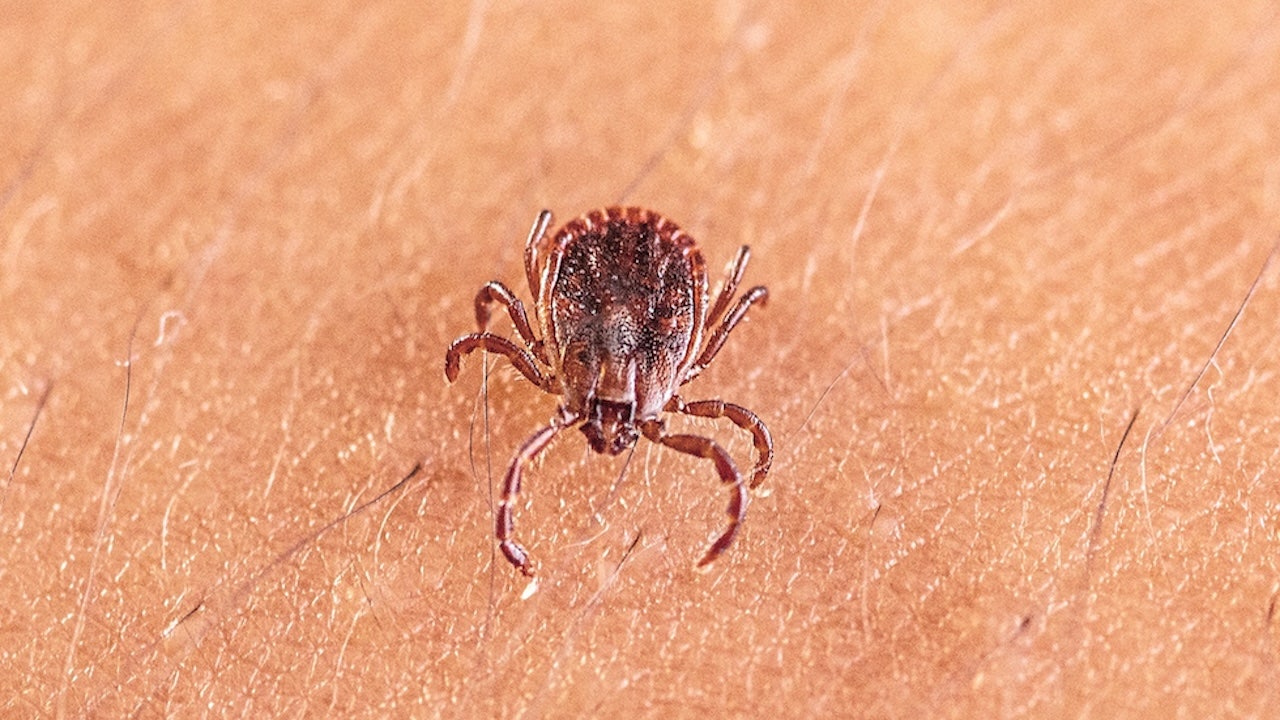
Scientists identify new tick-borne virus after testing thousands of patients in China
Chinese researchers identified Asian longhorned tick nairovirus in 10.4% of 3,163 patients bitten by ticks. The virus can cause flu-like illness, low
Sep 5 health50+
Higher blood xylitol levels linked to greater heart attack and stroke risk in study
A study presented at the ESC Cardiology Congress followed more than 17,700 Canadian and British adults and linked higher blood xylitol levels to more
Sep 5 health50+
WHO adds seven dementia risk factors including stroke, sleep problems and air pollution
The World Health Organization updated its dementia risk-reduction guidelines with seven added factors: stroke, traumatic brain injury, vision impairme
Sep 5