
Consumer Prices Fall 0.4 Percent in June as Annual Inflation Eases to 3.5 Percent
The Bureau of Labor Statistics said the Consumer Price Index fell 0.4 percent in June after seasonal adjustment, bringing the 12-month inflation rate to 3.5 percent. Energy prices led the monthly decline, and core inflation eased to 2.6 percent year over year.
U.S. consumer prices posted their largest monthly drop in more than six years in June, the Bureau of Labor Statistics reported.
The Consumer Price Index for All Urban Consumers fell 0.4 percent on a seasonally adjusted basis. Over the prior 12 months, prices were up 3.5 percent. That annual rate was below the 4.2 percent pace recorded in May and below many private forecasts that centered near 3.8 percent.
Energy led the monthly decline. The energy index fell 5.7 percent in June after rising in prior months, with gasoline down 9.7 percent. Food prices rose 0.2 percent for the month. Shelter costs edged up 0.1 percent. Core inflation, which excludes food and energy, was flat for the month and 2.6 percent higher than a year earlier, down from 2.9 percent.
CNBC reported that Wall Street had expected a smaller monthly decline and a higher annual reading. The 0.4 percent monthly drop was the largest since April 2020. Analysts linked much of the energy relief to lower fuel prices after earlier geopolitical pressure on oil markets eased.
Even with the cooler June print, prices remain well above the Federal Reserve's 2 percent long-run goal on an annual basis. Households still face elevated costs for housing and other services. The next CPI release, covering July 2026, is scheduled for August 12, 2026, at 8:30 a.m. Eastern Time.
For older Americans on fixed incomes, monthly swings in gasoline can free cash in the short run, while shelter and medical costs often move more slowly. The June report is a real easing in the official index, not a return to pre-pandemic price levels.
Go Deeper
What does a 0.4 percent monthly CPI drop mean?
On average, the basket of goods and services in the index cost less in June than in May after seasonal adjustment. One month does not erase prior years of higher prices.
Why did inflation cool in June?
Energy prices fell sharply, especially gasoline. That more than offset small gains in food and shelter.
What is core inflation?
Core CPI leaves out food and energy because those items swing a lot. In June, core was unchanged for the month and up 2.6 percent from a year earlier.
When is the next inflation report?
BLS is scheduled to release July 2026 CPI on August 12, 2026, at 8:30 a.m. Eastern.
Does this guarantee lower grocery bills?
No. The overall index fell because energy dropped. Food still rose slightly for the month, and local prices can differ from the national average.
More business
 business50+
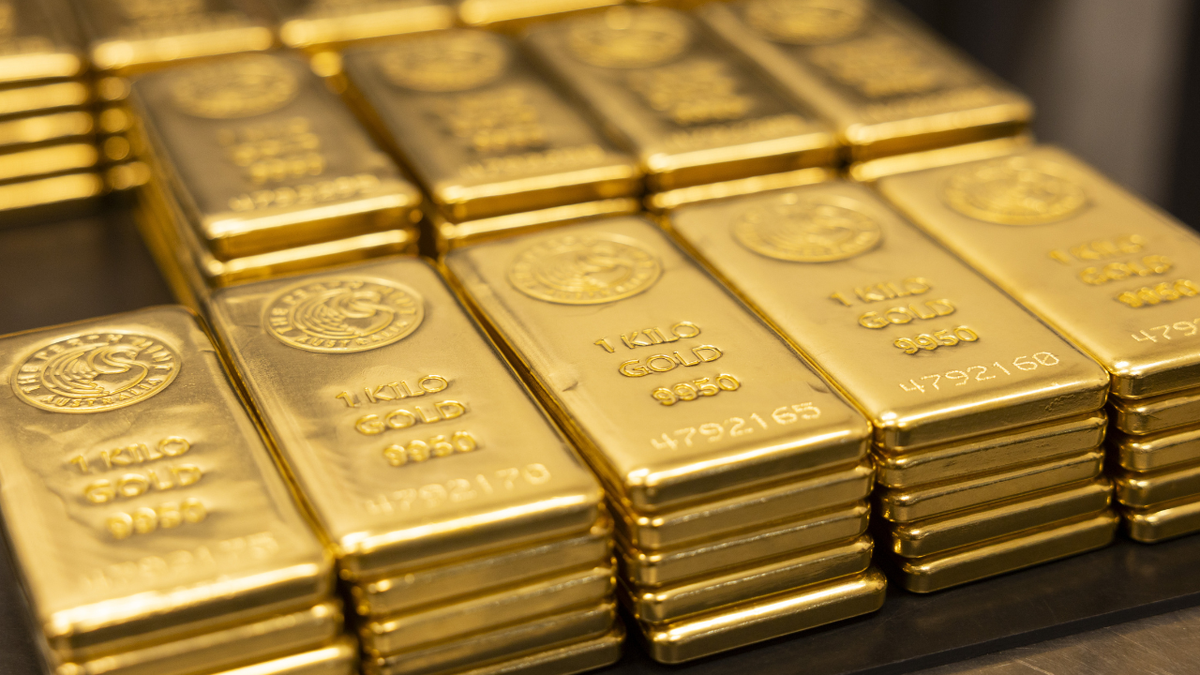
Central Banks Plan More Gold Purchases Amid Inflation and Uncertainty
A World Gold Council survey found 89 percent of central banks expect global gold reserves to grow next year, and a record 45 percent plan to add to th
Aug 10business50+US Goods and Services Trade Deficit Falls to 73.3 Billion in June
The Census Bureau and Bureau of Economic Analysis said the U.S. goods and services deficit fell to $73.3 billion in June from a revised $77.6 billion
Aug 10 business
Monthly Student Loan Payments Increase for Some Borrowers
The end of the SAVE plan has resulted in higher monthly payments for some student loan borrowers. Borrowers are advised to review their budgets and re
Aug 10