
Dry Eyes Affect Many Women During Menopause
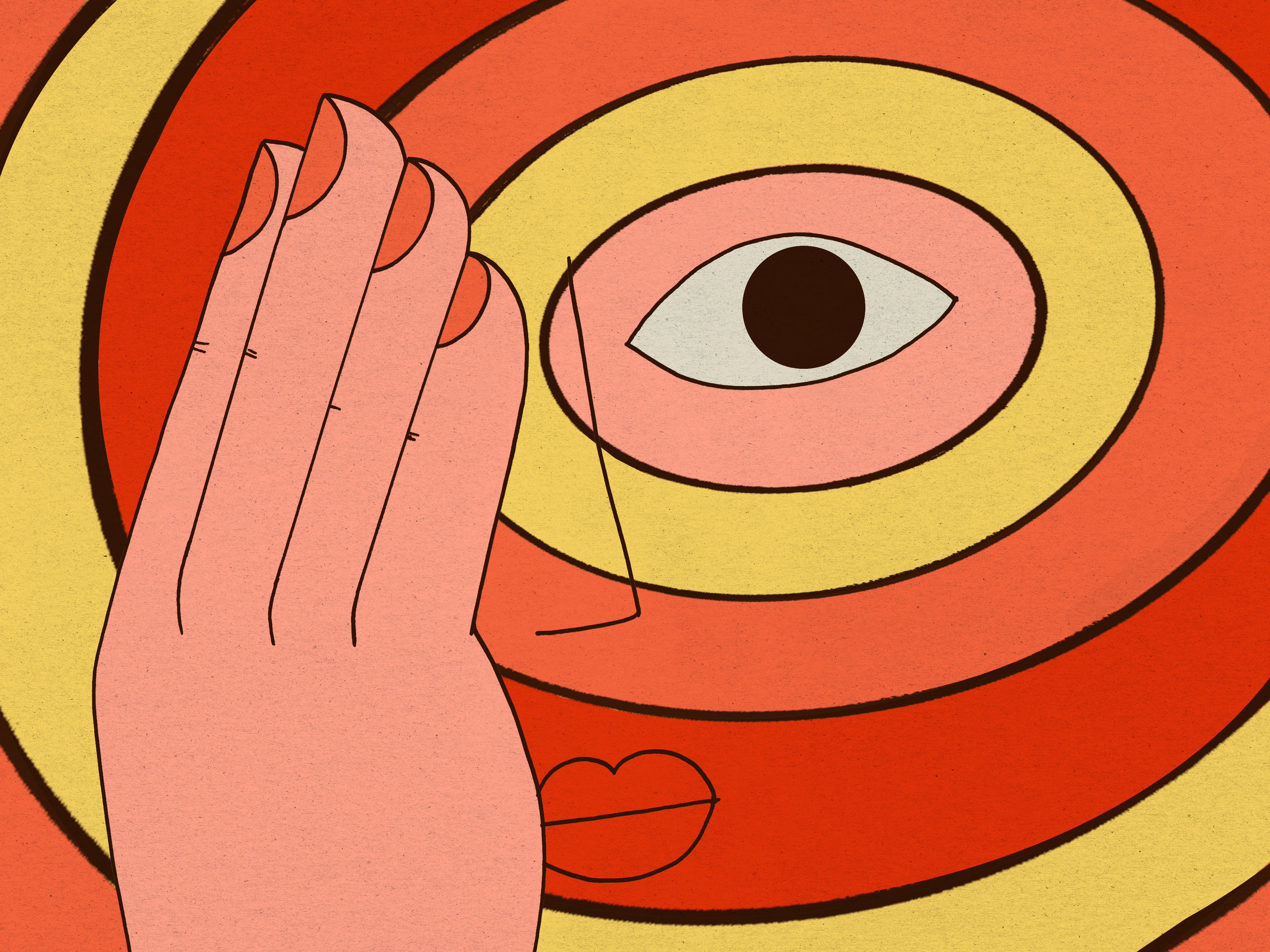
Research shows that approximately half of women in the menopausal transition years experience dry eye symptoms. Hormonal changes and other factors contribute to this condition.
Around half of all women in the menopausal transition years experience symptoms of dry eyes, such as red, watery, or gritty-feeling eyes. Hormonal shifts play a significant role in this condition. Many other factors also contribute to dry eyes in women during this stage of life. The symptoms can be uncomfortable and may affect daily activities. Women experiencing these symptoms should consult a healthcare professional for proper evaluation and treatment. Early attention to dry eyes can help prevent complications and improve quality of life.
The exact causes of dry eyes in women during menopause are complex and multifaceted. While hormonal changes are a primary factor, other elements such as environmental conditions, lifestyle, and overall health can also impact the development of dry eyes. Understanding the various factors that contribute to dry eyes can help women take proactive steps to manage their symptoms and maintain eye health.
Go Deeper
What are the common symptoms of dry eyes in women?
Common symptoms of dry eyes in women include red, watery, or gritty-feeling eyes. These symptoms can be uncomfortable and may affect daily activities.
Why do hormonal shifts contribute to dry eyes?
Hormonal shifts during menopause can affect the production of tears, leading to dry eyes. The decrease in estrogen levels can impact the health of the eyes and contribute to dryness.
Can dry eyes be treated?
Yes, dry eyes can be treated. Women experiencing symptoms should consult a healthcare professional for proper evaluation and treatment. Treatment options may include artificial tears, lifestyle changes, and other interventions.
What are some other factors that contribute to dry eyes?
Other factors that contribute to dry eyes include environmental conditions, lifestyle, and overall health. For example, dry air, wind, and certain medications can exacerbate dry eyes.
How can women prevent complications from dry eyes?
Women can prevent complications from dry eyes by seeking early attention and treatment. Consulting a healthcare professional and following their recommendations can help prevent complications and improve quality of life.
More health
 health50+
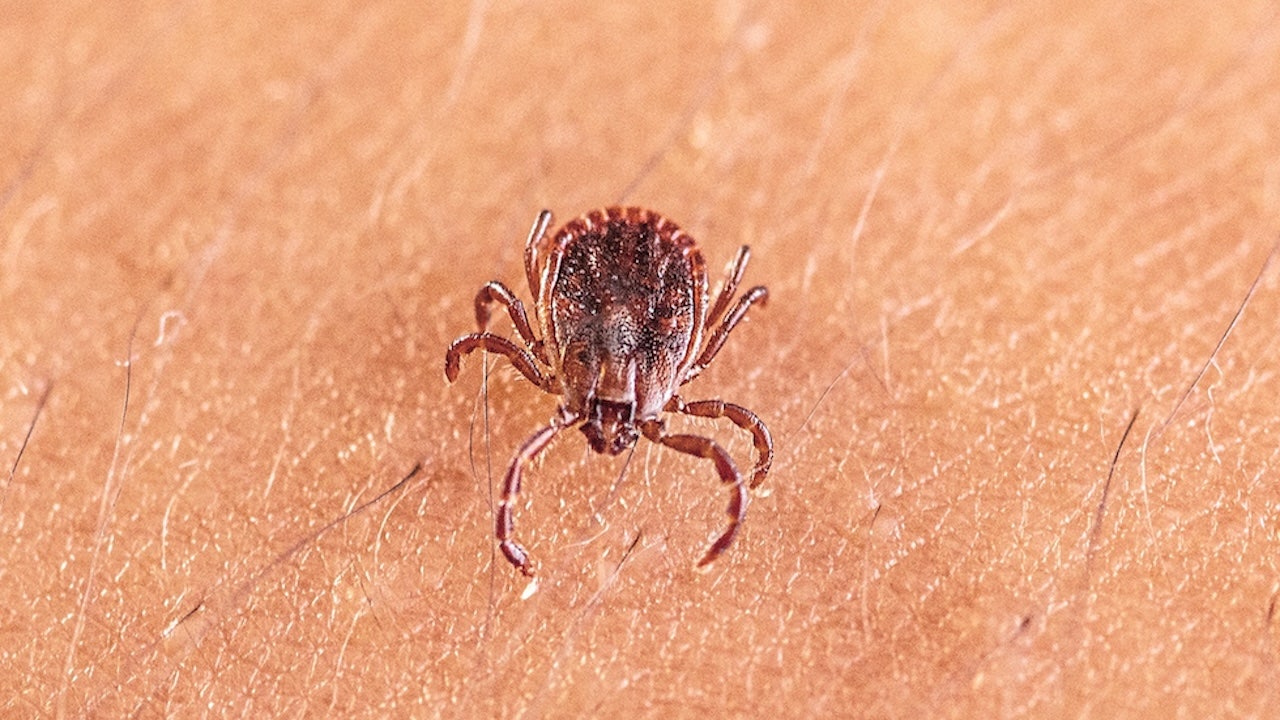
Scientists identify new tick-borne virus after testing thousands of patients in China
Chinese researchers identified Asian longhorned tick nairovirus in 10.4% of 3,163 patients bitten by ticks. The virus can cause flu-like illness, low
Sep 5 health50+
Higher blood xylitol levels linked to greater heart attack and stroke risk in study
A study presented at the ESC Cardiology Congress followed more than 17,700 Canadian and British adults and linked higher blood xylitol levels to more
Sep 5 health50+
WHO adds seven dementia risk factors including stroke, sleep problems and air pollution
The World Health Organization updated its dementia risk-reduction guidelines with seven added factors: stroke, traumatic brain injury, vision impairme
Sep 5