
Florida ECG screening finds hidden heart defect in asymptomatic student athlete
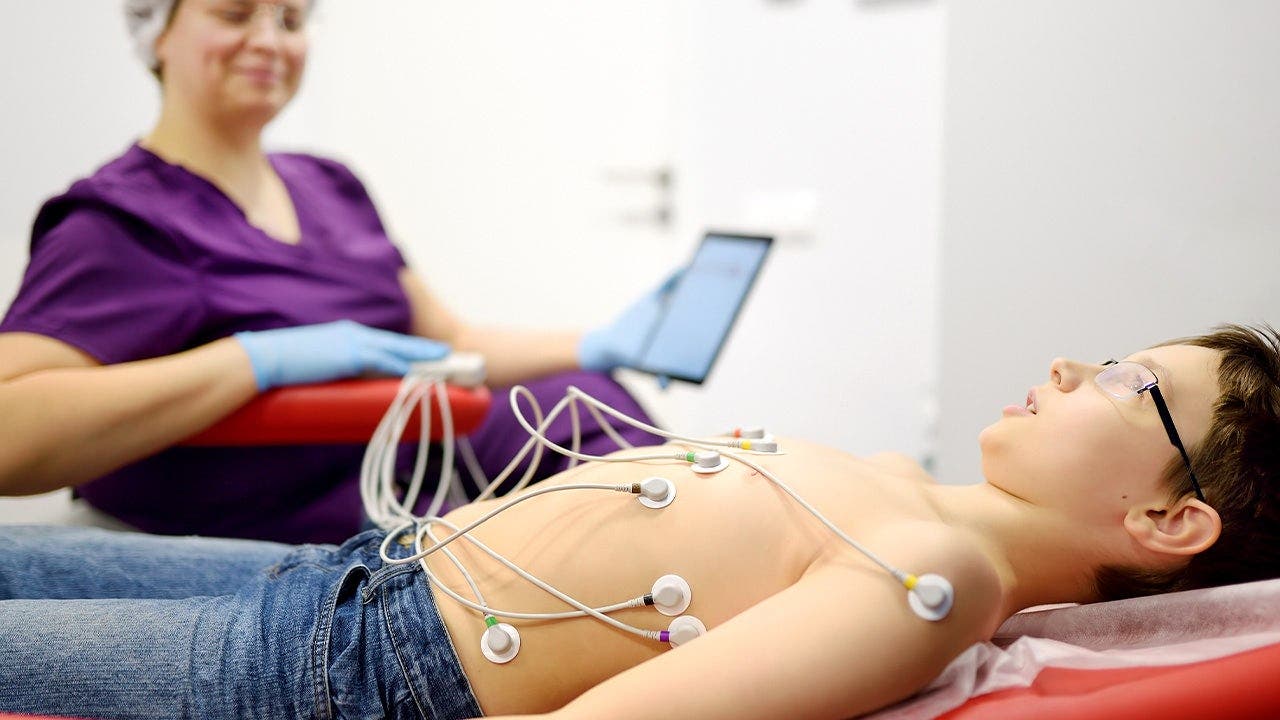
A Clearwater, Florida, high school athlete learned he has an atrial septal defect only after an electrocardiogram required under the state's new Second Chance Act for interscholastic sports. Fox News reported he had no symptoms despite years of football and basketball and is scheduled for surgery in October.
A Florida high school athlete with no warning symptoms learned he has a congenital heart defect through an electrocardiogram now required for many interscholastic sports physicals, Fox News reported.
Cameron Crider, a sophomore football and basketball player at Calvary Christian High School in Clearwater, underwent an ECG under rules tied to Florida's Second Chance Act, which took effect July 1 ahead of the 2026-2027 school year. The law requires students in grades 9 through 12 to get at least one ECG the first time they participate in or try out for interscholastic athletics, with limited exceptions, affiliate FOX 13 Tampa Bay reported.
The screening led doctors to find an atrial septal defect, an opening in the wall between the heart's upper chambers. If a significant defect goes untreated, extra blood flow can strain the heart and lungs and raise risks of pulmonary hypertension, heart failure and, in some cases, stroke. Crider is scheduled for surgery in October.
His mother, Laura Crider, called the mandatory ECG "a gift from God," saying the family learned the diagnosis in a doctor's office with a clear plan instead of after a tragedy. Up to 80% of young athletes who suffer sudden cardiac arrest have no prior warning symptoms, Dr. Jonathan Drezner of the University of Washington Medicine Center for Sports Cardiology told Fox News Digital.
The American Heart Association told Fox News it does not recommend mandatory ECG screening for every student athlete. The AHA prefers a personal and family history plus a physical exam, with ECG or imaging ordered when that assessment raises concern. Drezner argued that a properly read ECG can detect about 80% of conditions linked to sudden cardiac arrest in the young, while history and physical alone miss most of them.
Families outside Florida can still ask clinicians about family heart history, unexplained fainting, and whether an ECG is warranted before intense sports seasons.
Go Deeper
What did the screening find?
An atrial septal defect, a hole between the heart's upper chambers, in a student athlete who had no symptoms.
What is Florida's rule?
The Second Chance Act requires at least one ECG for grades 9-12 the first time a student joins or tries out for interscholastic athletics, with exceptions.
Why screen athletes?
Intense exercise stresses the heart. Many young people who suffer sudden cardiac arrest had no prior symptoms.
Does the AHA back mandatory ECGs?
No. It favors history and physical exam first, with ECG or imaging when those raise concern.
What is the family's next step?
Cameron Crider is scheduled for surgery in October, according to Fox News.
More health
 health50+
Scientists identify new tick-borne virus after testing thousands of patients in China
Chinese researchers identified Asian longhorned tick nairovirus in 10.4% of 3,163 patients bitten by ticks. The virus can cause flu-like illness, low
Sep 5 health50+
Higher blood xylitol levels linked to greater heart attack and stroke risk in study
A study presented at the ESC Cardiology Congress followed more than 17,700 Canadian and British adults and linked higher blood xylitol levels to more
Sep 5 health50+
WHO adds seven dementia risk factors including stroke, sleep problems and air pollution
The World Health Organization updated its dementia risk-reduction guidelines with seven added factors: stroke, traumatic brain injury, vision impairme
Sep 5