
Medical groups issue fall flu, COVID and RSV vaccine guidance for clinicians and patients

Leading U.S. medical societies released aligned fall guidance for flu, COVID-19 and RSV shots, posting evidence summaries for clinicians and patients. The American Academy of Family Physicians, American Academy of Pediatrics, ACOG and the Infectious Diseases Society of America based the advice on a Vaccine Integrity Project review published in JAMA. Guidance stresses protection for older adults.
WASHINGTON - Leading U.S. medical societies released aligned fall guidance on influenza, COVID-19 and RSV vaccination for clinicians and patients, the Associated Press reported.
The American Academy of Family Physicians, the American Academy of Pediatrics, the American College of Obstetricians and Gynecologists and the Infectious Diseases Society of America posted evidence summaries drawn from a Vaccine Integrity Project review published in JAMA. Group leaders said they wanted clear, science-based advice for clinics during a period of flux in federal vaccine processes.
On flu, the guidance supports vaccination for everyone 6 months and older. For adults 65 and older, enhanced flu vaccines are preferred when available. October remains a practical target month for most people so protection lines up with typical winter circulation. Getting a flu shot too early can leave protection thinner by late season for some adults, which is why many clinicians still aim for early fall rather than midsummer.
On COVID-19, the groups emphasize protection for adults, especially those 65 and older. Their materials discuss a second dose about six months later for older adults when clinically appropriate under the review they cite. On RSV, they describe a one-time dose for adults 75 and older, and for adults 50 to 74 who face higher risk from chronic conditions.
Dr. Sandra Fryhofer of the American Medical Association and Dr. Sarah Nosal of the American Academy of Family Physicians were among physicians discussing the seasonal package in coverage of the release. The societies framed the documents as tools for shared decisions in exam rooms and pharmacies, not as political statements.
Older adults still account for a large share of hospitalizations from these winter viruses. People with heart disease, lung disease or diabetes often benefit most from timely shots. Pharmacies and clinics usually stock flu vaccine widely; COVID and RSV availability can vary by site, so calling ahead helps. Anyone with a prior severe allergic reaction to a vaccine component should review history with a clinician before dosing. Bring a current medication list and ask which products your local pharmacy has in the refrigerator that week.
Go Deeper
Which groups issued the guidance?
AAFP, AAP, ACOG and the Infectious Diseases Society of America, based on a Vaccine Integrity Project review in JAMA, according to AP.
What is advised for flu?
Vaccination for everyone 6 months and older, with enhanced flu vaccines preferred for adults 65 and older. October is a common timing target.
What about COVID shots for older adults?
Guidance stresses adult protection, especially at 65 and older, including discussion of a second dose about six months later when appropriate.
Who should consider RSV vaccine?
A one-time dose for adults 75 and older, and for adults 50 to 74 at higher medical risk, per the societies' materials.
Why did the societies speak now?
They said clinics need clear science-based summaries for fall planning during a period of federal process flux.
More health
 health50+
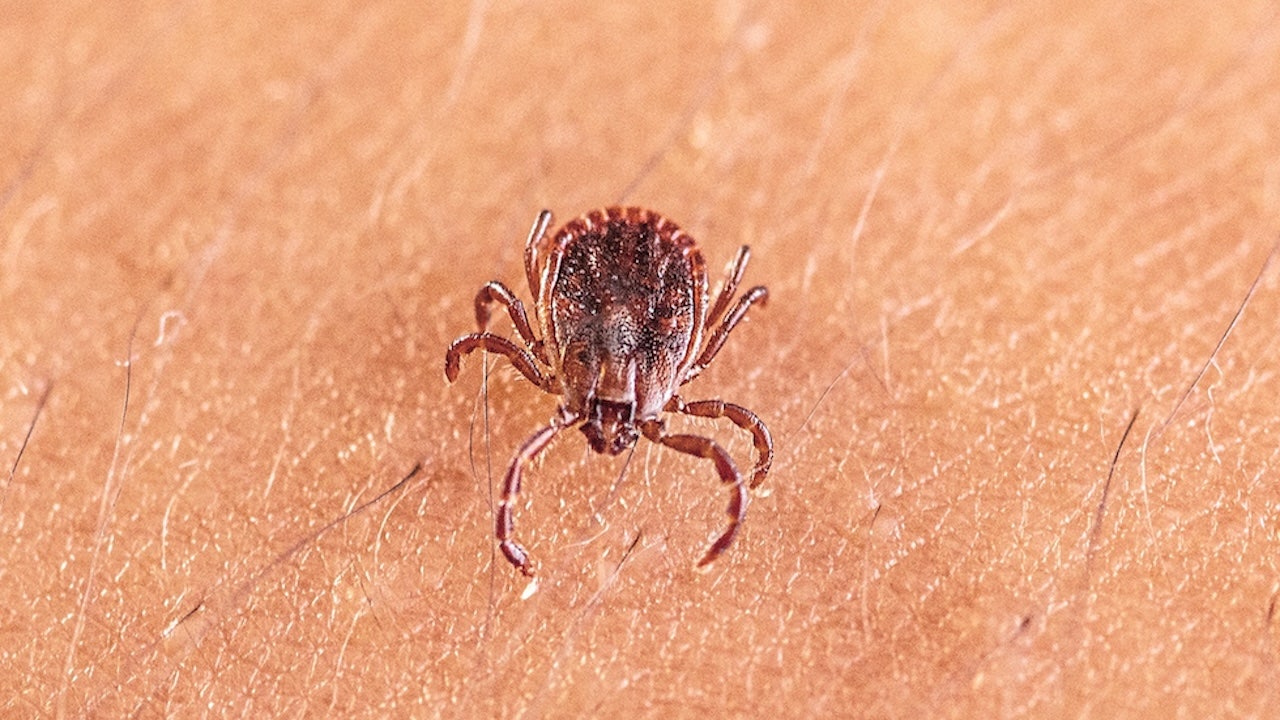
Scientists identify new tick-borne virus after testing thousands of patients in China
Chinese researchers identified Asian longhorned tick nairovirus in 10.4% of 3,163 patients bitten by ticks. The virus can cause flu-like illness, low
Sep 5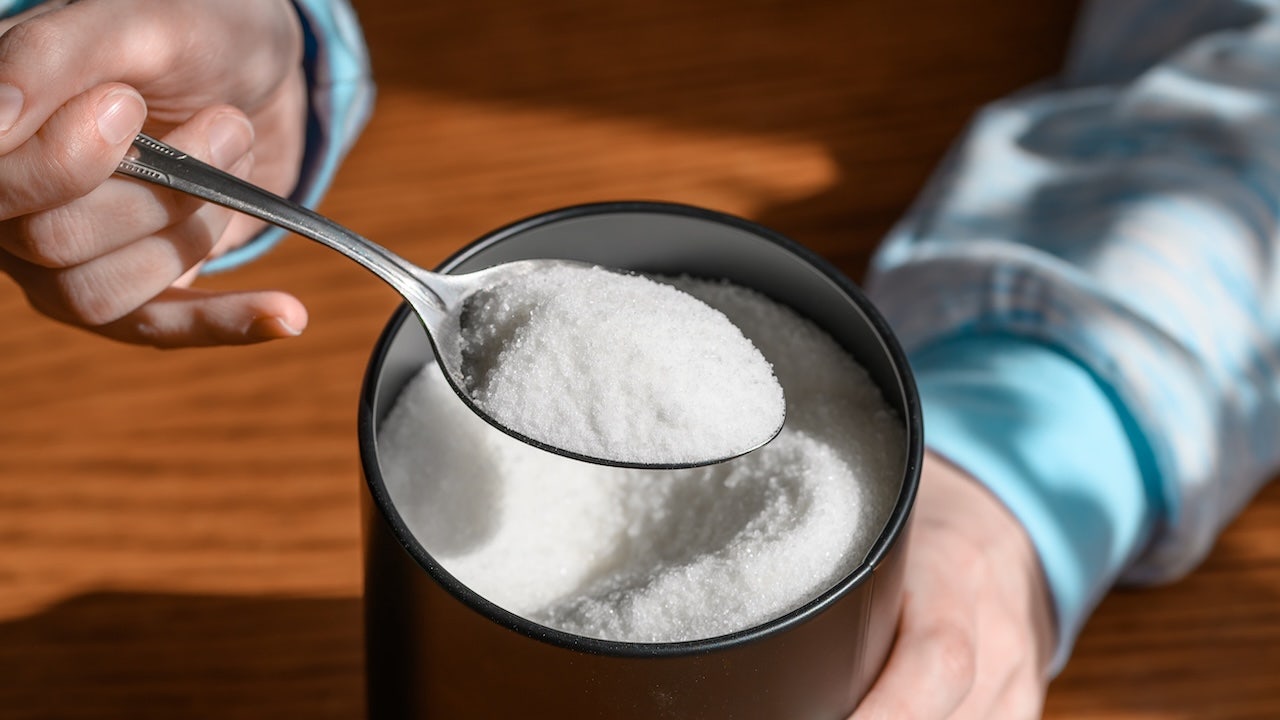 health50+
Higher blood xylitol levels linked to greater heart attack and stroke risk in study
A study presented at the ESC Cardiology Congress followed more than 17,700 Canadian and British adults and linked higher blood xylitol levels to more
Sep 5 health50+
WHO adds seven dementia risk factors including stroke, sleep problems and air pollution
The World Health Organization updated its dementia risk-reduction guidelines with seven added factors: stroke, traumatic brain injury, vision impairme
Sep 5