
Meningitis B Vaccine Does Not Prevent Gonorrhoea Infections

A recent study found that the Meningitis B vaccine does not offer protection against gonorrhoea infections. The vaccine is often given to at-risk men.
Scientists have concluded that the Meningitis B vaccine does not prevent gonorrhoea infections in men. This finding is significant because the vaccine is sometimes offered to at-risk men in an effort to reduce the spread of gonorrhoea. The study's results indicate that the vaccine's effectiveness is limited to preventing meningitis B, and it does not provide any protection against gonorrhoea.
The Meningitis B vaccine has been widely used to protect against meningitis B, a serious and potentially life-threatening infection. However, its effectiveness against other diseases, such as gonorrhoea, has been unclear. The new study provides clarity on this issue, suggesting that alternative methods are needed to prevent the spread of gonorrhoea among at-risk populations.
Go Deeper
What is the Meningitis B vaccine?
The Meningitis B vaccine is a vaccine that protects against meningitis B, a serious and potentially life-threatening infection. It is often given to at-risk individuals, including young adults and people with certain medical conditions.
What is gonorrhoea?
Gonorrhoea is a sexually transmitted infection that can cause symptoms such as discharge, pain, and itching. If left untreated, it can lead to serious health problems, including infertility and increased risk of HIV transmission.
Why was the Meningitis B vaccine thought to prevent gonorrhoea?
Some studies suggested that the Meningitis B vaccine might offer some protection against gonorrhoea, possibly due to similarities between the bacteria that cause the two diseases. However, the new study found that this is not the case.
What are the implications of this study?
The study's findings suggest that alternative methods are needed to prevent the spread of gonorrhoea among at-risk populations. This could include increased use of condoms, more frequent testing, and improved contact tracing.
Will the Meningitis B vaccine still be given to at-risk men?
Yes, the Meningitis B vaccine will still be given to at-risk men to protect against meningitis B. However, it will not be relied upon to prevent gonorrhoea infections, and other prevention methods will be emphasized.
More health
 health50+
Recognizing and Responding to Heat-Related Illnesses
Heat exhaustion and heatstroke are serious heat-related illnesses that can occur in hot weather. Knowing the signs and how to respond can help save li
Jul 9 health50+
Readers Share Tips for Coping with Extreme Temperatures
People shared their advice on how to deal with extreme heat. The tips covered various aspects such as clothing and sleep.
Jul 8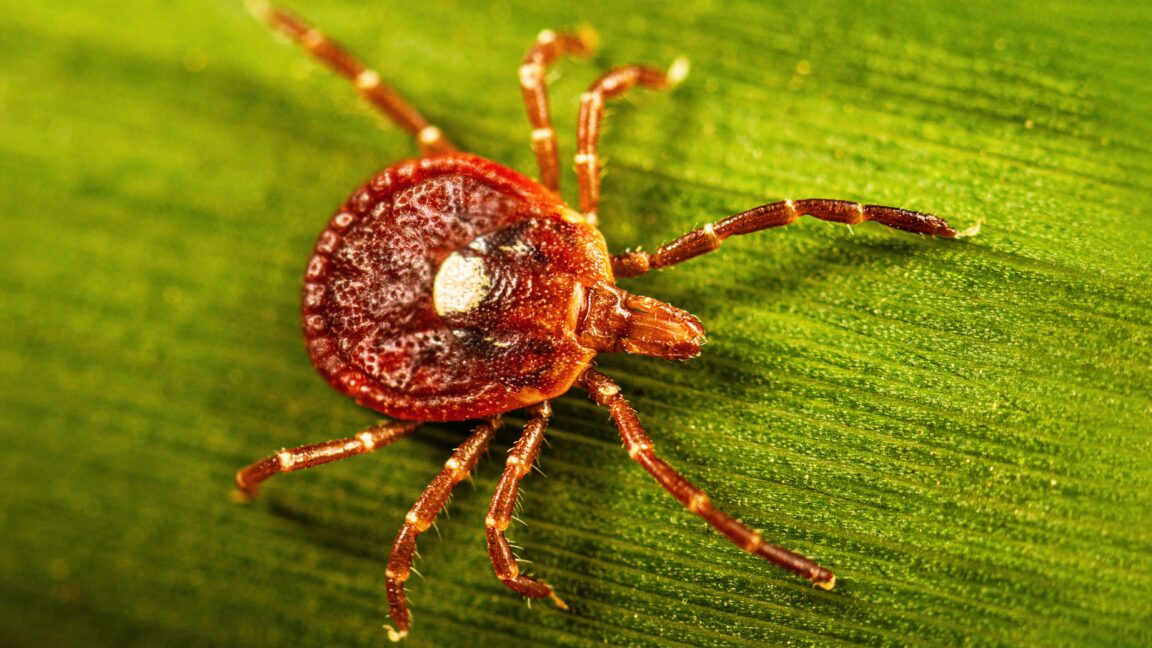 health50+
Researchers Investigate Alpha-Gal Syndrome
Alpha-gal syndrome is a condition where people develop an allergy to meat after being bitten by a tick. Researchers are working to understand why some
Jul 8