
Recognizing and Responding to Heat-Related Illnesses

Heat exhaustion and heatstroke are serious heat-related illnesses that can occur in hot weather. Knowing the signs and how to respond can help save lives.
Heat exhaustion and heatstroke are two heat-related illnesses that can be life-threatening if not recognized and treated promptly. Heat exhaustion is a milder form of heat-related illness that can develop after spending time in the heat, while heatstroke is a more severe condition that occurs when the body's temperature regulation fails. Symptoms of heat exhaustion include heavy sweating, pale and cool skin, faint or weak pulse, and nausea or vomiting. If someone is experiencing these symptoms, it is essential to move them to a cooler location and provide cool water to drink. Removing excess clothing and using cool cloths or fans to lower their body temperature can also help. Heatstroke, on the other hand, is characterized by a body temperature of 103 degrees or higher, confusion, slurred speech, and loss of consciousness. If someone is suspected of having heatstroke, it is crucial to call for emergency medical help immediately. While waiting for help to arrive, the person should be moved to a cooler location and their body temperature should be lowered using cool cloths or ice packs.
In hot weather, it is vital to be aware of the risks of heat-related illnesses and take steps to prevent them. Staying hydrated by drinking plenty of water, taking regular breaks in cool locations, and avoiding strenuous activities during the hottest part of the day can help reduce the risk of heat exhaustion and heatstroke.
Go Deeper
What are the main differences between heat exhaustion and heatstroke?
Heat exhaustion is a milder condition characterized by symptoms such as heavy sweating and nausea, while heatstroke is a more severe condition that can cause confusion, slurred speech, and loss of consciousness. Heatstroke is a medical emergency that requires immediate attention.
How can I help someone who is experiencing heat exhaustion?
If someone is experiencing heat exhaustion, move them to a cooler location and provide cool water to drink. Remove excess clothing and use cool cloths or fans to lower their body temperature. If symptoms worsen or the person experiences chest pain, seizures, or loses consciousness, call for emergency medical help.
What are some ways to prevent heat-related illnesses?
To prevent heat-related illnesses, stay hydrated by drinking plenty of water, take regular breaks in cool locations, and avoid strenuous activities during the hottest part of the day. Wearing lightweight, light-colored clothing and staying in the shade can also help reduce the risk of heat exhaustion and heatstroke.
When should I seek medical attention for heat-related illnesses?
Seek medical attention immediately if someone is suspected of having heatstroke or if symptoms of heat exhaustion worsen or last longer than one hour. If the person experiences chest pain, seizures, or loses consciousness, call for emergency medical help right away.
Can heat-related illnesses affect anyone?
Yes, heat-related illnesses can affect anyone, regardless of age or health status. However, certain groups, such as older adults, young children, and people with pre-existing medical conditions, are more susceptible to heat exhaustion and heatstroke.
More health
 health
Meningitis B Vaccine Does Not Prevent Gonorrhoea Infections
A recent study found that the Meningitis B vaccine does not offer protection against gonorrhoea infections. The vaccine is often given to at-risk men.
Jul 9 health50+
Readers Share Tips for Coping with Extreme Temperatures
People shared their advice on how to deal with extreme heat. The tips covered various aspects such as clothing and sleep.
Jul 8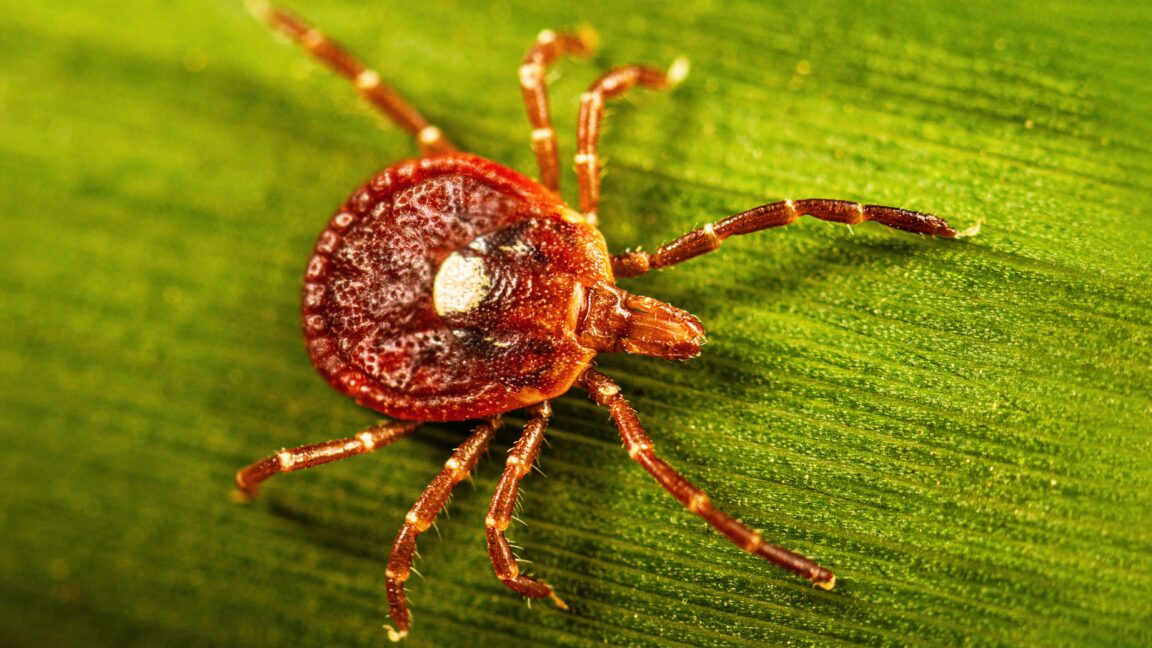 health50+
Researchers Investigate Alpha-Gal Syndrome
Alpha-gal syndrome is a condition where people develop an allergy to meat after being bitten by a tick. Researchers are working to understand why some
Jul 8