
Pythons Can Survive Months Without Eating
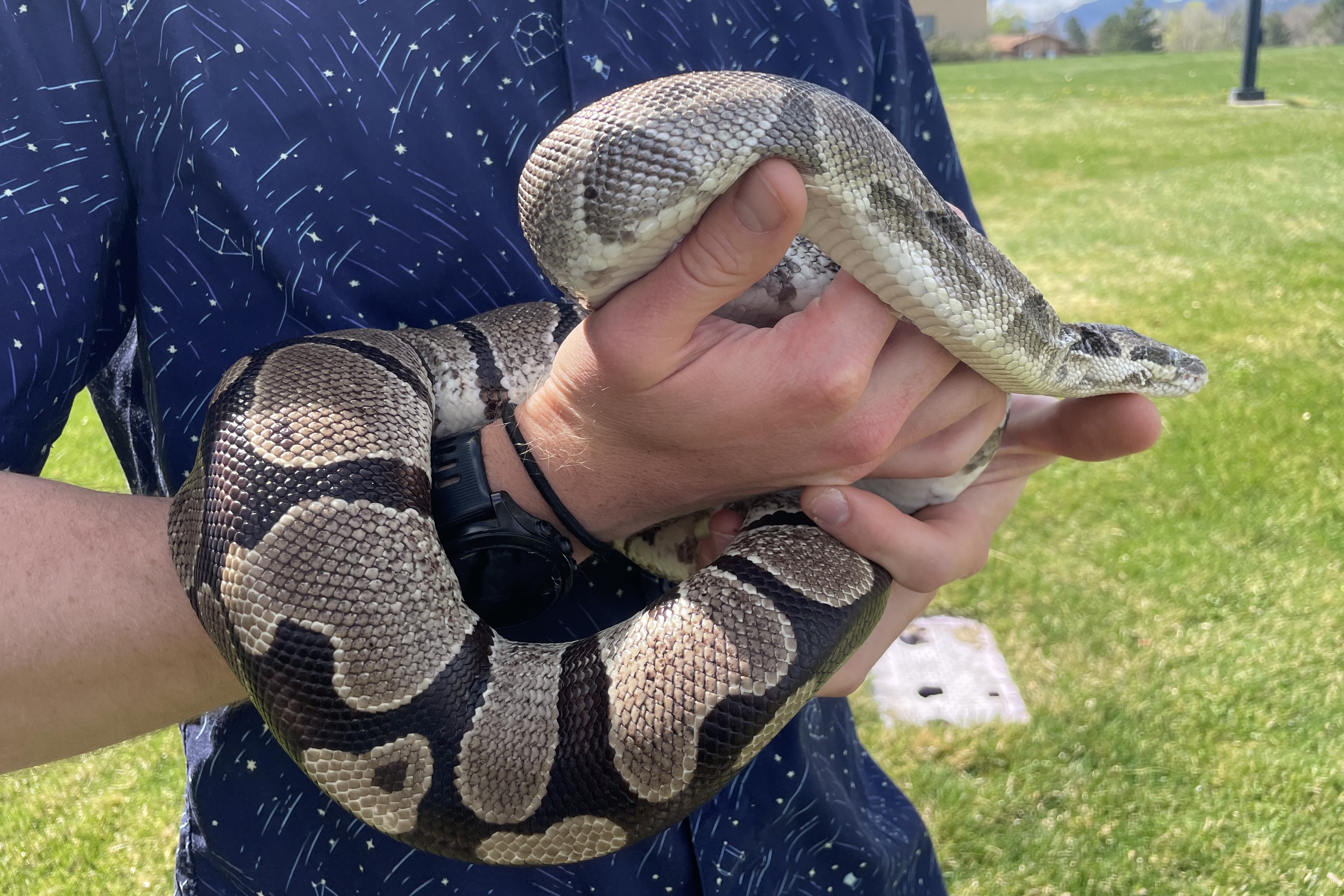
Pythons have unique biological abilities that allow them to survive for months without eating. Their hearts can also change size and their metabolism can be quickly adjusted.
Pythons are known for their extreme biology, which includes the ability to go for months without eating. This is made possible by their unique physiological makeup, which allows them to slow down their metabolism and conserve energy. In addition to this, pythons can also grow and shrink the size of their hearts, a phenomenon that is not seen in many other animals. Their metabolism can also be quickly adjusted, allowing them to rapidly start digesting food again when they do eat.
These abilities are of great interest to scientists, who believe that studying the biology of pythons could hold clues for treating human disease. By understanding how pythons are able to survive for so long without eating, and how their bodies are able to adapt to different situations, scientists may be able to develop new treatments for a range of diseases.
Go Deeper
What makes pythons able to survive for months without eating?
Pythons have a unique physiological makeup that allows them to slow down their metabolism and conserve energy, enabling them to survive for extended periods without food.
How do pythons' hearts change size?
The exact mechanisms behind pythons' ability to grow and shrink their hearts are not fully understood, but it is thought to be related to their ability to adapt to different situations and conserve energy.
What potential benefits could come from studying pythons' biology?
Studying pythons' biology could hold clues for treating human disease, particularly in the areas of metabolism and energy conservation.
How do pythons' metabolisms adjust to food intake?
Pythons' metabolisms can be quickly adjusted to start digesting food again when they do eat, allowing them to rapidly take advantage of available nutrients.
What diseases could potentially be treated by studying pythons' biology?
The study of pythons' biology could potentially lead to new treatments for a range of diseases, including those related to metabolism and energy conservation, such as diabetes and obesity.
More health
 health50+
Study Finds Semaglutide May Slow Biological Aging
Researchers discovered that semaglutide, found in Ozempic and Wegovy, slowed biological aging markers in adults with HIV. Larger studies are needed to
Jul 15health50+Dr. Zeke Emanuel Promotes Back-to-Basics Approach to Health
Dr. Zeke Emanuel, a U.S. health policy physician, is advocating for a simple approach to good health. He emphasizes the importance of basic habits for
Jul 15 health50+
Aortic Dissection Explained by American Heart Association
Dr. Manesh Patel, volunteer president of the American Heart Association, discusses aortic dissection. Aortic dissection is a serious condition that wa
Jul 15