
Researchers Link Blood Test to Early Detection of Depression
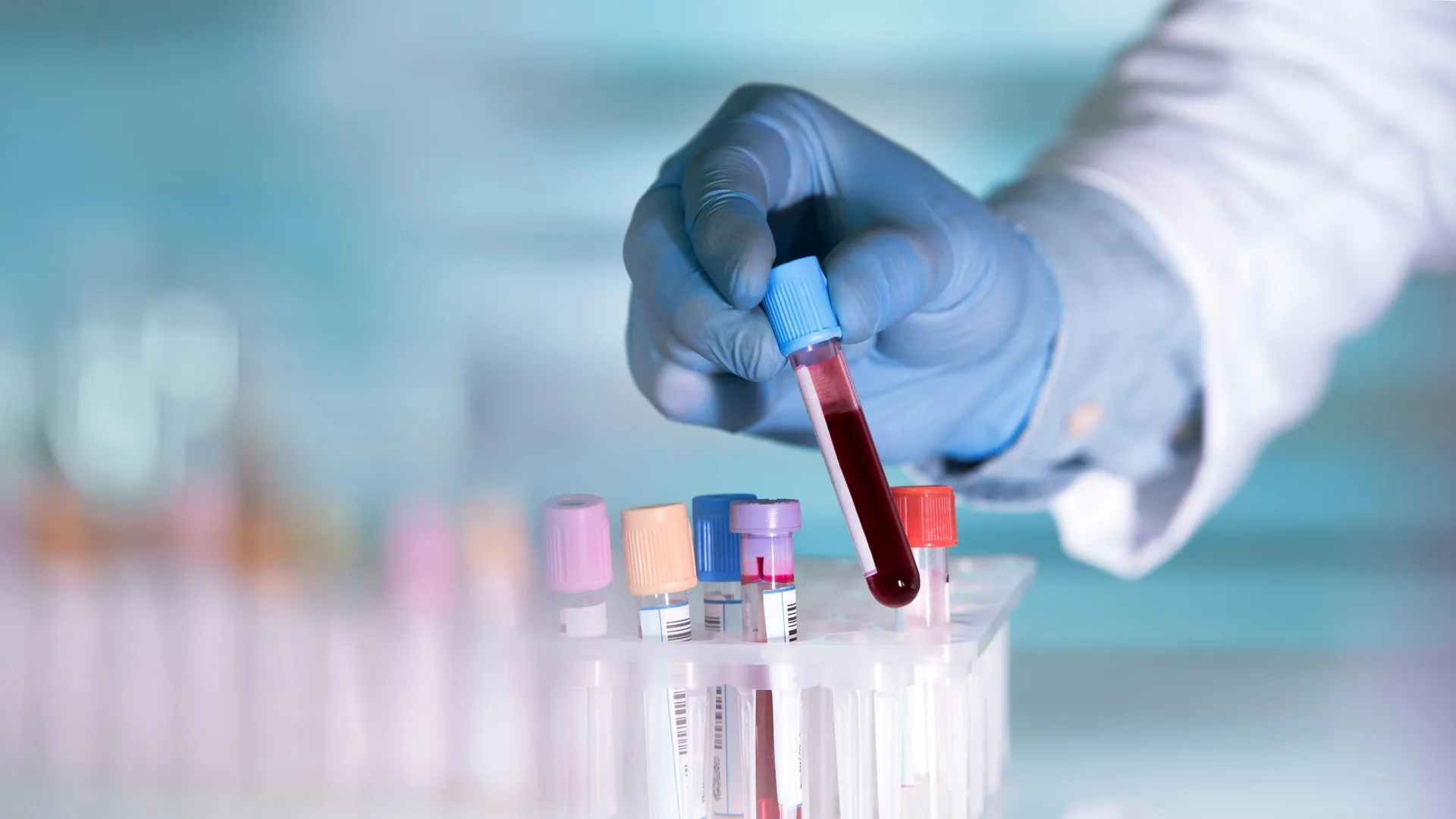
A new study suggests that depression may be detectable through a simple blood test. The test tracks how certain immune cells age, which is closely tied to emotional and cognitive symptoms of depression.
Researchers have found a potential link between accelerated aging in monocytes, a type of white blood cell, and the emotional and cognitive symptoms of depression. This connection could lead to the development of a simple blood test to detect depression before symptoms appear. The study focused on the emotional and cognitive symptoms of depression, such as hopelessness and loss of pleasure, rather than physical symptoms like fatigue. According to the research, the accelerated aging of monocytes is closely tied to these emotional and cognitive symptoms. If further research confirms these findings, it could lead to earlier detection and treatment of depression.
Go Deeper
What type of cells are being tracked in this study?
The study is tracking monocytes, a type of white blood cell. Monocytes play a key role in the immune system and are involved in the body's response to infection and inflammation.
How does the accelerated aging of monocytes relate to depression?
The study found that accelerated aging in monocytes is closely tied to the emotional and cognitive symptoms of depression, such as hopelessness and loss of pleasure.
Could this blood test detect depression before symptoms appear?
Yes, the study suggests that this blood test could potentially detect depression before symptoms appear, by tracking the accelerated aging of monocytes.
What symptoms of depression is the study focused on?
The study is focused on the emotional and cognitive symptoms of depression, such as hopelessness and loss of pleasure, rather than physical symptoms like fatigue.
What is the potential impact of this research?
If further research confirms these findings, it could lead to earlier detection and treatment of depression, which could significantly improve the quality of life for people with depression.
More health
 health50+
Vitamin D Levels in Midlife Linked to Brain Health
A 16-year study of nearly 800 people found that higher vitamin D levels in midlife may be associated with better brain health later on. The study disc
Jul 16 health50+
Scientists Discover Potential Role of Hydrogen Sulfide in Alzheimer's Disease
Researchers have found that a protein producing hydrogen sulfide gas in the brain may help protect brain cells and support memory. Experiments with ge
Jul 16 health50+
Study Finds Genes Account for Half of Lifespan Differences
A new study from the Weizmann Institute suggests genes play a significant role in determining lifespan, accounting for about half of the differences i
Jul 16