
Study Examines Hydration's Effect on Kidney Stone Prevention
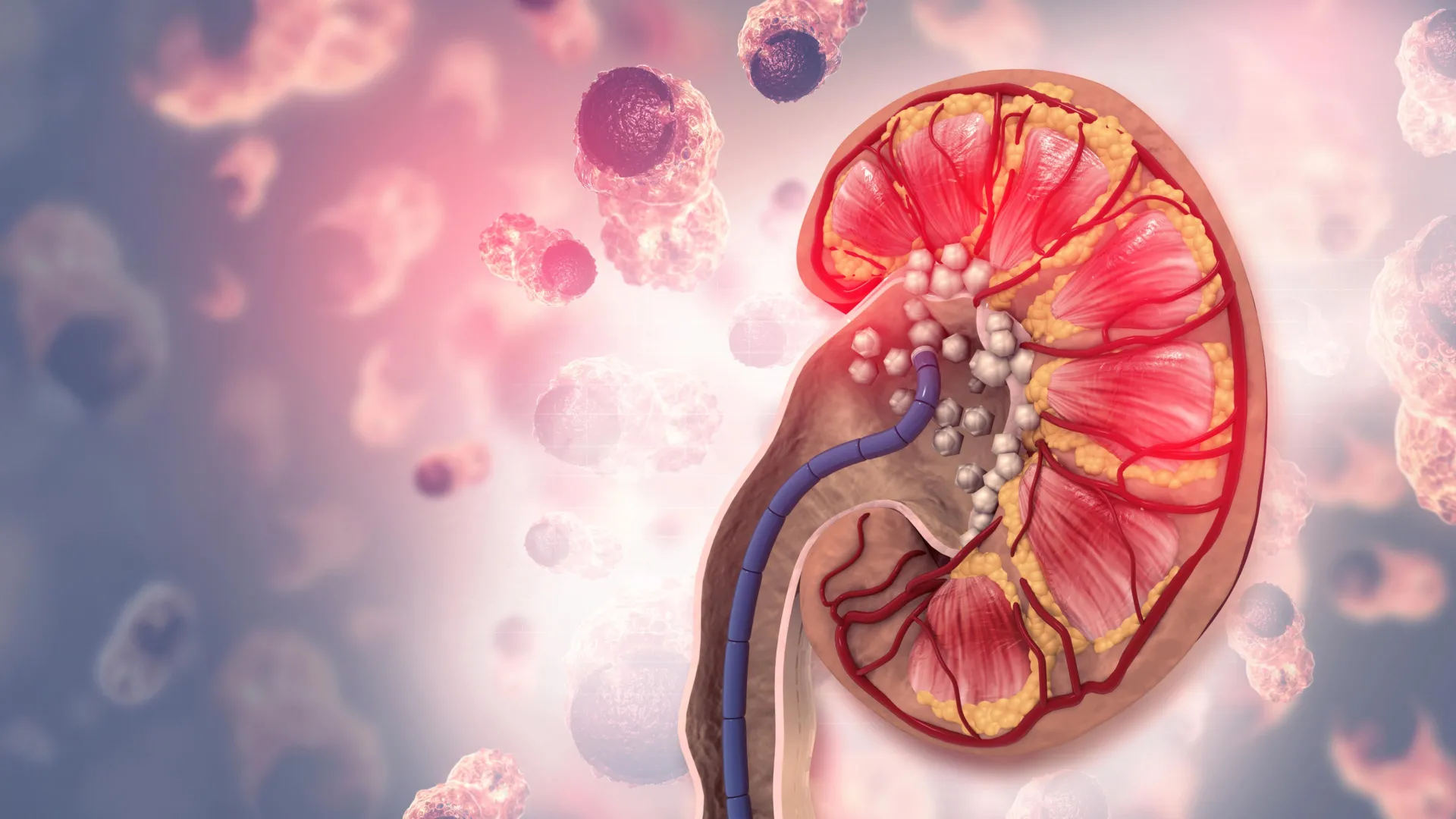
A new study investigated whether a hydration program could help prevent kidney stones from recurring. The program included smart water bottles, reminders, and financial incentives to encourage participants to drink more water.
Kidney stones are a common and painful condition that can recur in many people. In an effort to find a way to prevent these stones from coming back, a large study was conducted to test the effectiveness of a high-tech hydration program. The program was designed to encourage participants to drink enough water to reduce their risk of developing kidney stones again.
The study used a variety of tools to promote hydration, including smart water bottles that tracked participants' water intake, reminders to drink more throughout the day, and coaching to help them stay on track. Additionally, some participants received financial incentives to motivate them to drink more water. Despite these efforts, the study found that drinking more water did not necessarily prevent kidney stones from recurring.
The results of the study suggest that while hydration is important for overall health, it may not be enough on its own to prevent kidney stones. Further research is needed to understand the causes of kidney stones and to develop effective strategies for preventing them.
Go Deeper
What is the main cause of kidney stones?
The exact cause of kidney stones is not fully understood, but it is thought to be related to a combination of genetic, environmental, and lifestyle factors. Dehydration is a known risk factor, but the study found that drinking more water did not prevent kidney stones from recurring.
How common are kidney stones?
Kidney stones are a relatively common condition, affecting many people at some point in their lives. Some people may experience repeat episodes, which can be painful and frustrating.
What are the symptoms of kidney stones?
The symptoms of kidney stones can vary, but they often include severe pain in the side or back, nausea, vomiting, and frequent or painful urination. If you suspect you have a kidney stone, it is essential to seek medical attention.
Can kidney stones be prevented?
While the study found that drinking more water did not prevent kidney stones, there are other ways to reduce your risk. These include staying hydrated, limiting your intake of certain foods, and maintaining a healthy weight. If you have a history of kidney stones, your doctor may recommend other preventive measures.
How are kidney stones treated?
Treatment for kidney stones usually involves pain management and waiting for the stone to pass. In some cases, surgery may be necessary to remove the stone. Your doctor can recommend the best course of treatment based on the size and location of the stone.
More health
 health50+
Researchers Develop Nasal Spray to Improve Brain Function
Scientists at Texas A&M have created a nasal spray that improves memory and cognitive function. The spray has shown positive results in initial tests,
Jul 16 health50+
Researchers Link Phosphatidylcholine to Reversal of Age-Related Cellular Decline
Scientists have found that low levels of phosphatidylcholine may contribute to aging cells. Increasing this nutrient can restore energy in aging cells
Jul 16 health50+
Researchers Link Blood Test to Early Detection of Depression
A new study suggests that depression may be detectable through a simple blood test. The test tracks how certain immune cells age, which is closely tie
Jul 16