
Study finds brain immune cells shift around age 50 in ways tied to dementia risk
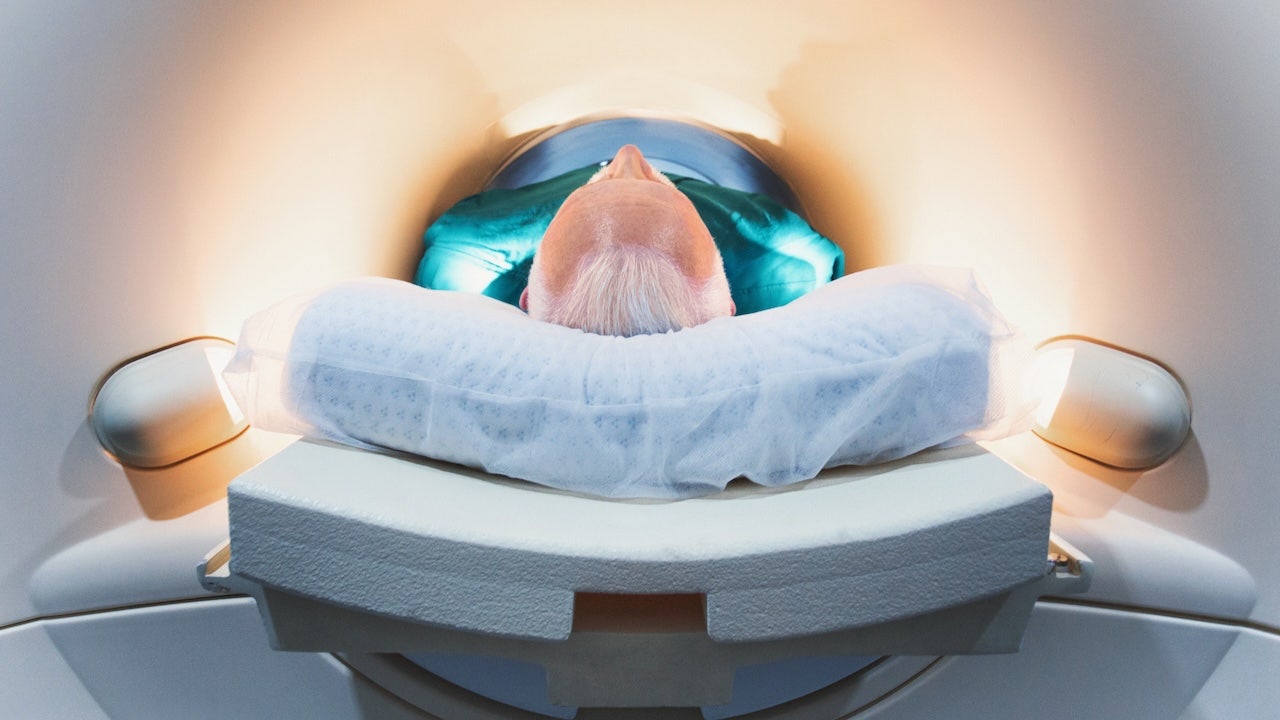
Researchers studying postmortem hippocampus tissue from 40 adults ages 20 to 95 found that after about age 50, protective microglia are increasingly replaced by blood-borne immune cells that carry stronger inflammatory signals. Fox News reported the Science journal study from UC San Diego, the New York Genome Center, and UC Irvine.
The brain's immune mix may tip around age 50 in a way that helps explain rising dementia risk with age, according to a new study covered by Fox News.
Teams from the University of California, San Diego; the New York Genome Center; and the University of California, Irvine analyzed postmortem hippocampus tissue from 40 neurologically healthy adults ages 20 to 95. The hippocampus handles learning and memory.
First author Nathan Zemke of the UC San Diego Center for Epigenomics told Fox News Digital the most striking change came after about age 50. The brain's resident immune cells, called microglia, appeared to be increasingly replaced by immune cells entering from the bloodstream. Microglia normally clear debris and respond to injury. The incoming cells carried stronger inflammatory signals.
Researchers said that shift may feed chronic inflammation linked to cognitive decline and neurodegenerative disease, including Alzheimer's. They also saw wear on cells that help maintain the blood-brain barrier, plus widespread DNA and gene-activity changes.
One practical angle, Zemke said, is that blood-derived immune cells are more reachable than cells already deep in the brain. In theory, scientists might one day tune those circulating cells to be more protective and less inflammatory when they enter the brain, offering a path that does not require operating inside the central nervous system.
The study is early. It compared different people at different ages rather than tracking the same person for decades, so it cannot prove a single cellular change causes Alzheimer's. The sample was small and limited to the hippocampus. Timing and extent varied person to person, suggesting brain aging is not identical for everyone. Zemke said he would not recommend medical or lifestyle changes based on this paper alone. The NIH-funded work was published in Science.
Go Deeper
What changes around age 50?
Protective microglia in the hippocampus appear to give way to blood-borne immune cells that send stronger inflammatory signals.
Why does that matter for memory?
The hippocampus is central to learning and memory. Chronic inflammation there is linked to cognitive decline and Alzheimer's risk.
Is this proof that inflammation causes Alzheimer's?
No. The study shows age-related patterns in donated brain tissue. It does not prove causation in living patients.
Could this lead to treatment?
Researchers hope blood-derived immune cells could someday be modified outside the brain, but that idea is still experimental.
Should I change my habits now?
The lead author said not based on this study alone. Stick with proven basics and talk with a clinician about personal risk.
More health
 health50+
Scientists identify new tick-borne virus after testing thousands of patients in China
Chinese researchers identified Asian longhorned tick nairovirus in 10.4% of 3,163 patients bitten by ticks. The virus can cause flu-like illness, low
Sep 5 health50+
Higher blood xylitol levels linked to greater heart attack and stroke risk in study
A study presented at the ESC Cardiology Congress followed more than 17,700 Canadian and British adults and linked higher blood xylitol levels to more
Sep 5 health50+
WHO adds seven dementia risk factors including stroke, sleep problems and air pollution
The World Health Organization updated its dementia risk-reduction guidelines with seven added factors: stroke, traumatic brain injury, vision impairme
Sep 5