
WTC Health Program cancer certifications rise nearly 1,680% over the past decade
World Trade Center Health Program figures show cancer certifications among 9/11 survivors and responders jumped from 3,204 in 2015 to 57,044 this year. For the first time, survivor cases now outnumber those among first responders.
NEW YORK - Cancer certifications tied to the Sept. 11, 2001, attacks have surged nearly 1,680% over the past decade, according to World Trade Center Health Program figures reported by the New York Post as the 25th anniversary approaches.
The program counted 57,044 cancer certifications this year, up from 3,204 in 2015. For the first time, cases among survivors who lived, worked or attended school near Ground Zero have passed those among emergency responders. Survivors account for 28,913 certifications, a rise of about 4,066% from 694 in 2015. Responders make up 28,131.
Attorney Michael Barasch, whose firm represents thousands enrolled in the program, told the Post that his office loses roughly two clients a day and sees a new cancer certification about every 50 minutes. Rare cancer types are also rising among both groups.
The World Trade Center Health Program, run under the Centers for Disease Control and Prevention's National Institute for Occupational Safety and Health, provides monitoring and treatment for certified 9/11-related conditions, including cancers, respiratory disease and mental health disorders. Program officials have said enrollment continues each year as people connect current diagnoses to exposures from decades ago.
A separate FireRescue1 interview with Rear Admiral Lisa Delaney, the program director, noted that cancer-specific mortality among enrollees is about 34% lower than among demographically similar New York State cancer patients, which the program links to screening and case management.
Many people who were children or young adults near the towers in 2001 are only now reaching ages when cancer rates climb. The Post's report comes days before memorial events marking a quarter-century since the attacks. President Donald Trump has said he will mark the anniversary at the Pentagon, with Vice President JD Vance expected at New York ceremonies.
Anyone who spent time in the exposure zone can check eligibility through the World Trade Center Health Program. Survivors and responders do not have to have been first responders to qualify for covered care when conditions meet certification rules.
Go Deeper
How big is the increase?
Program figures cited by the New York Post show cancer certifications rose from 3,204 in 2015 to 57,044 this year, about a 1,680% increase over the decade.
Who has more cases now, survivors or responders?
Survivors now lead slightly, with 28,913 certifications versus 28,131 for responders. That is the first time survivor cases have surpassed responder cases in the reported tallies.
What does the Health Program cover?
It covers monitoring and treatment for certified World Trade Center-related conditions, including many cancers, respiratory and digestive disorders, and mental health conditions such as PTSD.
Why are cases still rising 25 years later?
Cancers can take years or decades to appear after toxic exposure. People who were younger in 2001 are now older, and more survivors are connecting diagnoses to Ground Zero dust and fumes.
What should someone near Ground Zero do?
Contact the World Trade Center Health Program about eligibility and screening. Enrollment is still open for people who meet exposure and condition rules.
More health
 health50+
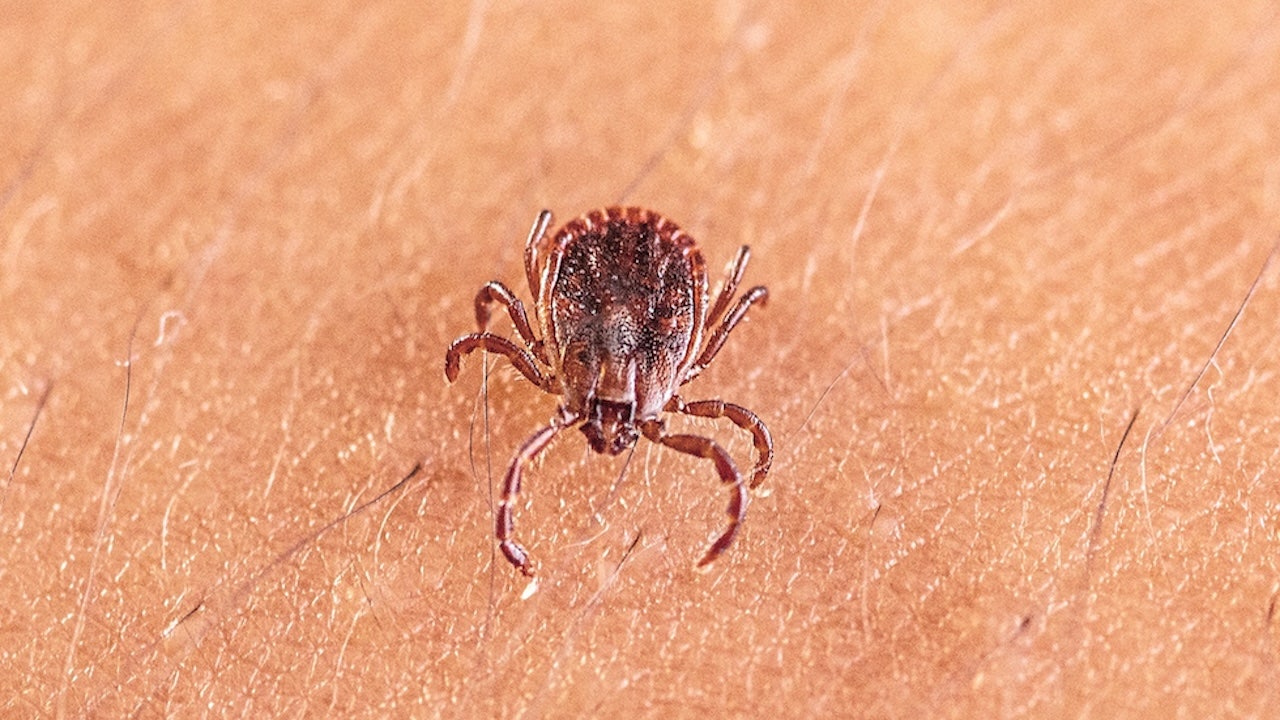
Scientists identify new tick-borne virus after testing thousands of patients in China
Chinese researchers identified Asian longhorned tick nairovirus in 10.4% of 3,163 patients bitten by ticks. The virus can cause flu-like illness, low
Sep 5 health50+
Higher blood xylitol levels linked to greater heart attack and stroke risk in study
A study presented at the ESC Cardiology Congress followed more than 17,700 Canadian and British adults and linked higher blood xylitol levels to more
Sep 5 health50+
WHO adds seven dementia risk factors including stroke, sleep problems and air pollution
The World Health Organization updated its dementia risk-reduction guidelines with seven added factors: stroke, traumatic brain injury, vision impairme
Sep 5